
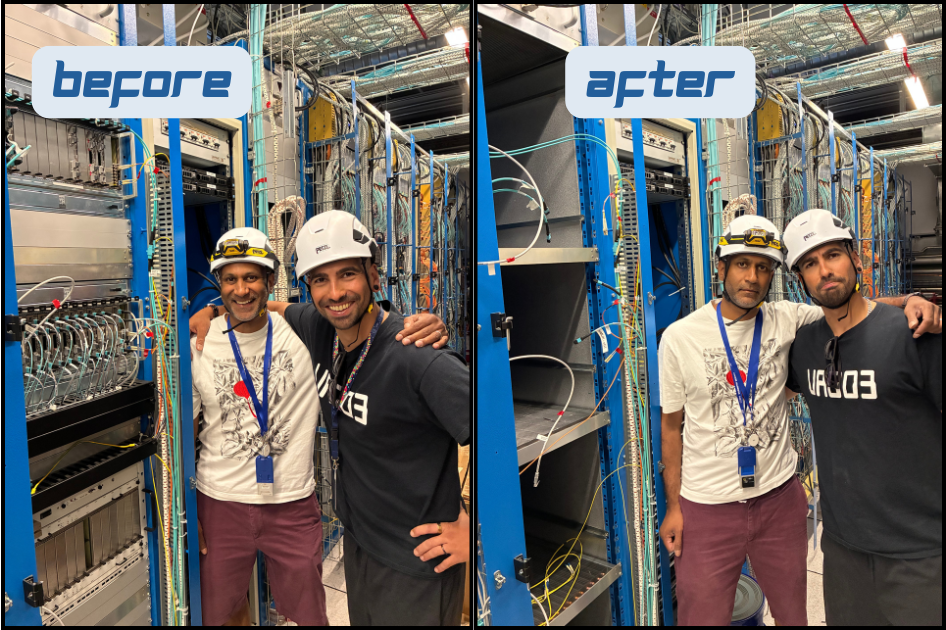
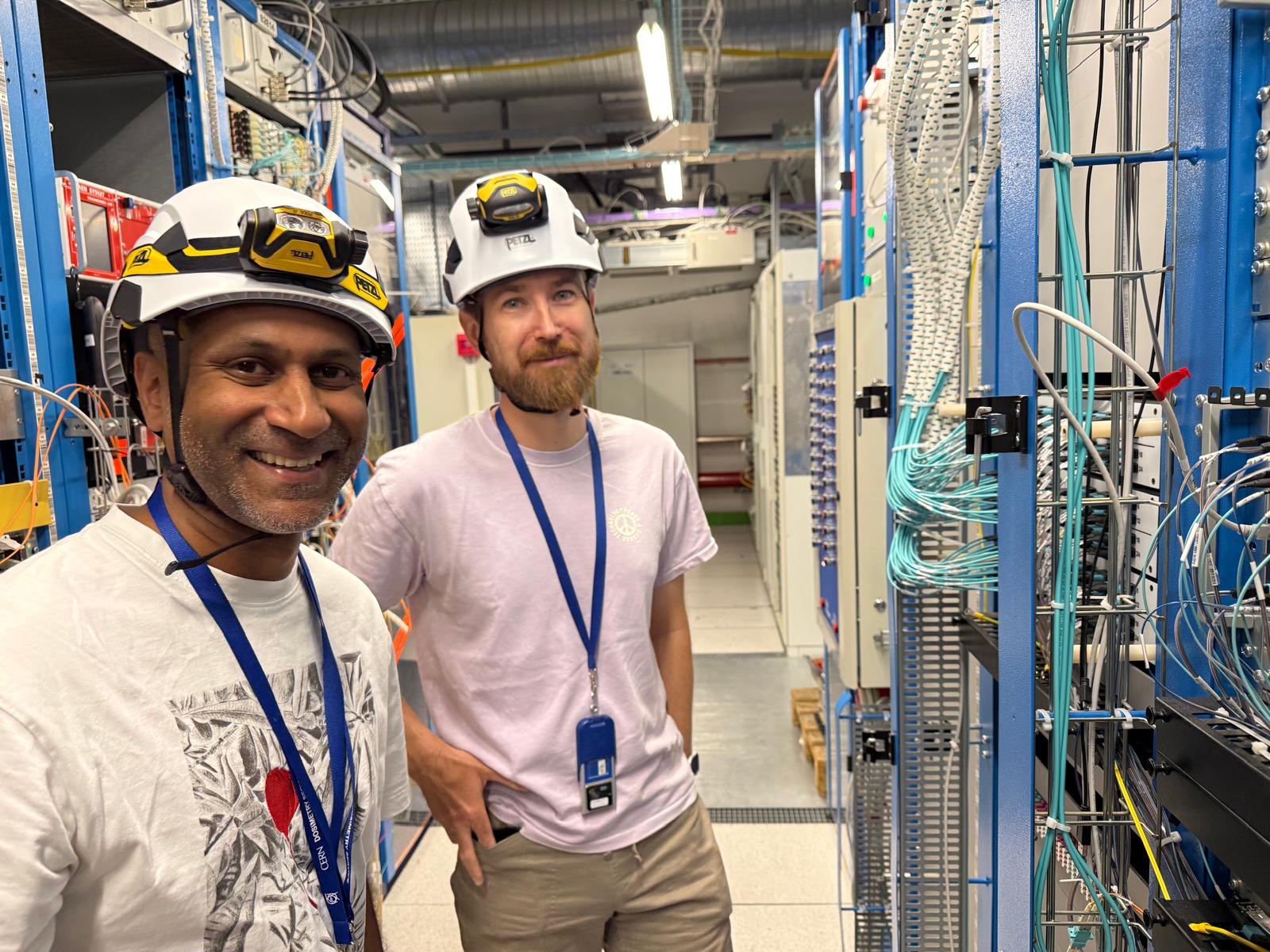
Data taking at the LHC recently ended, and we now begin a period of several years of upgrades to the detector and trigger system. Before we can install the new systems, we need to clear out the legacy equipment that won’t take part in the Phase 2 upgrade. Today I had the bittersweet experience of decommissioning part of the CMS trigger system, together with Aaron Bundock and Sudan Paramesvaran.
The part of the system that we removed is the so-called “Calorimeter Layer 2”. This component was installed ahead of LHC Run 2 in 2015. The 9 FPGA processing cards of this system reconstruct electrons, tau jets, and jets from raw calorimeter energy deposits, which are then forwarded onto the Global Trigger for final decision making. These objects made up the staple diet of the CMS trigger menu - providing events for Higgs physics, searches for supersymmetry, and probing the limits of the Standard Model.
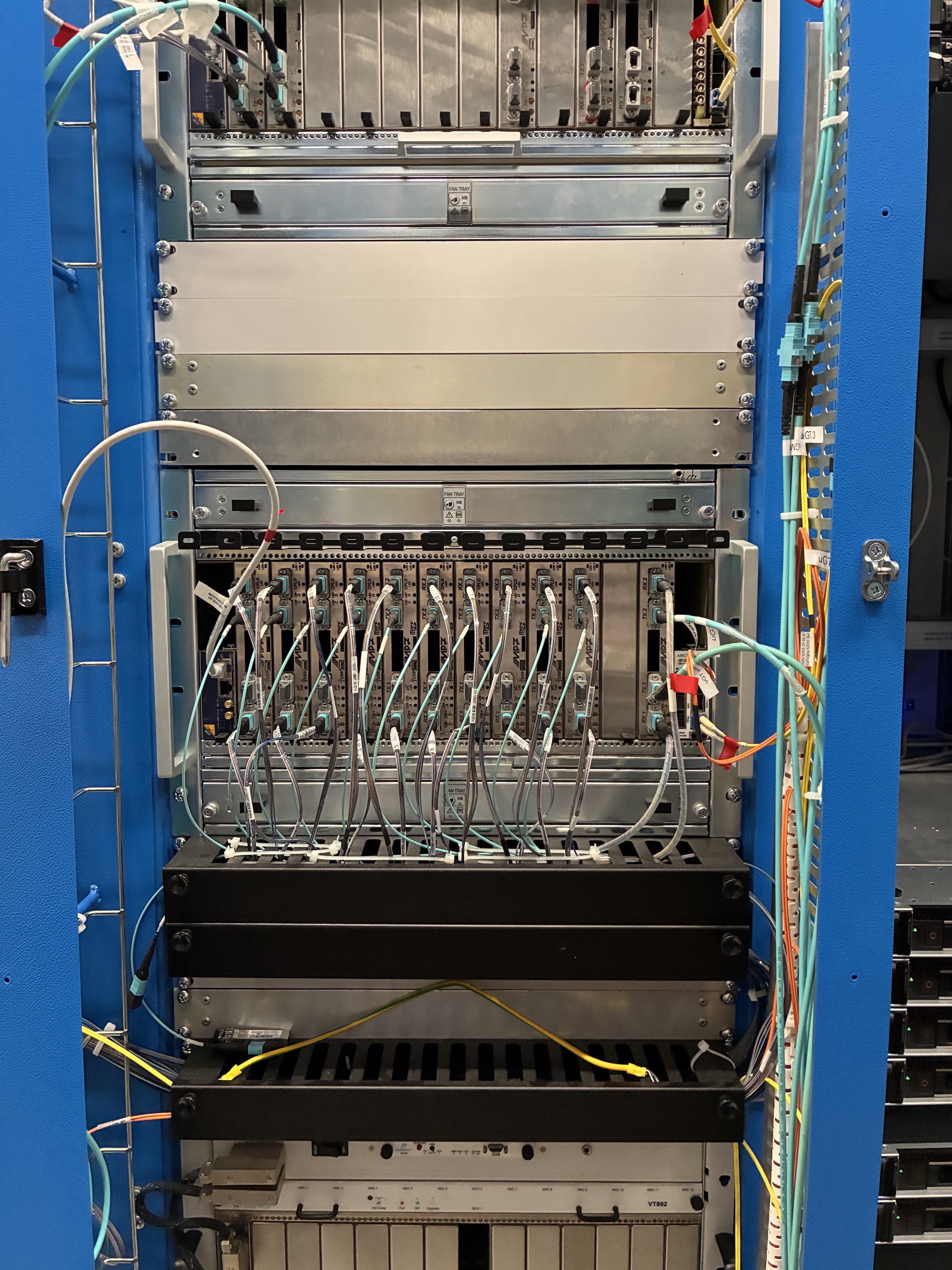
Each of the 9 Imperial MP7 cards processed 1 in every 9 LHC collision events, all of them operating in a round-robin fashion. An additional card gathers the data from the nine, and there are a few others for spares. Now this idea of “time multiplexing” is ubiquitous in the trigger and its upgrade, but it started here. One of the first things I worked on during my PhD was to reimplement some of these algorithms in a high level FPGA language to benchmark how viable it would be to use high level tools to develop new algorithms.
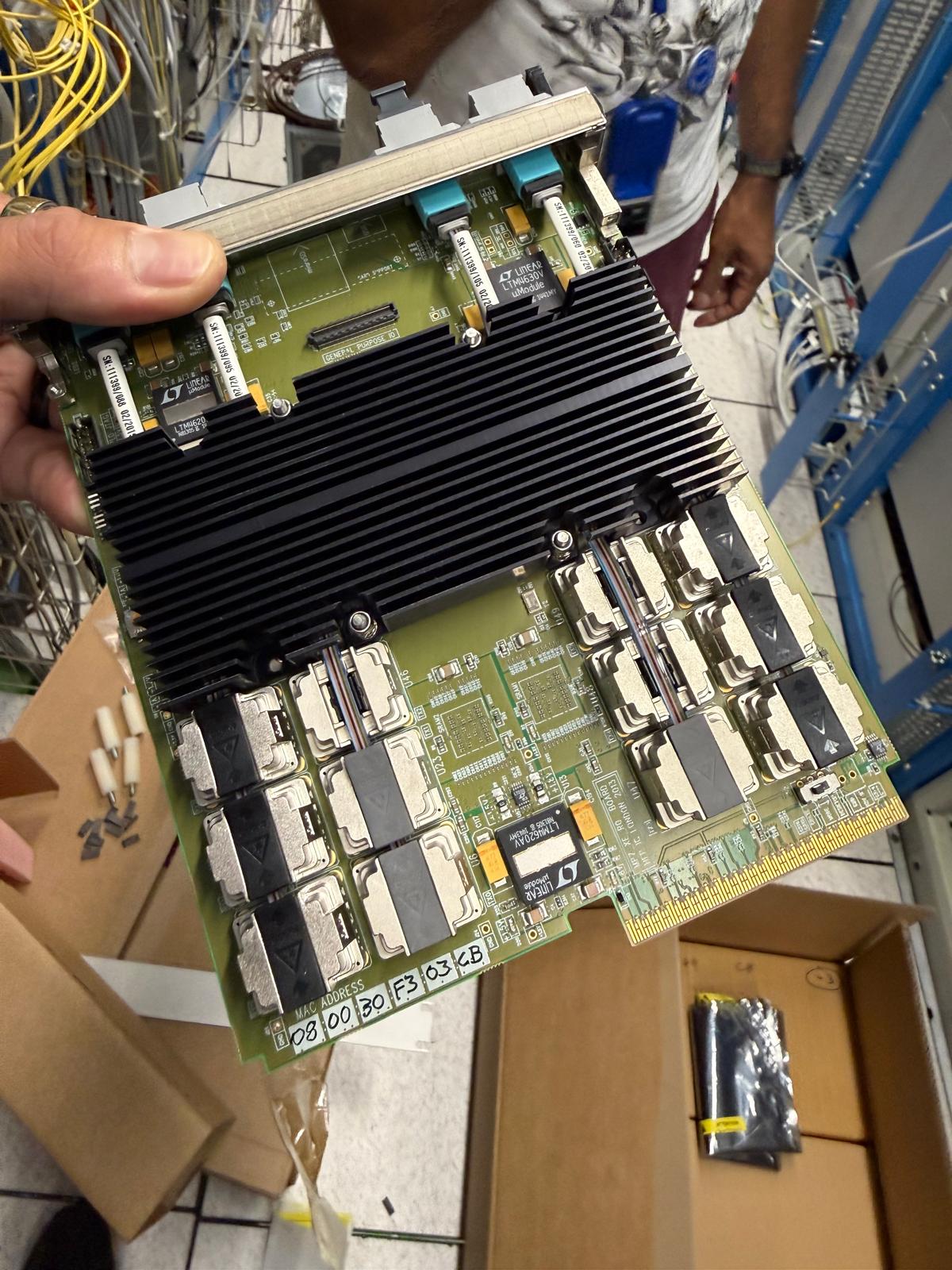
These cards processed events during 8 years of LHC data taking, drinking from the firehose of CMS data non-stop, which deluged each device with 1 Tb/s. During a typical work day each card would have processed more than 100 billion LHC collision events.
Now these cards needs to make way for the detector upgrade which will bring even higher rates of physics and data for the trigger system to sift through during the “high luminosity LHC”. We’ll be installing new capabilities to the trigger system - like track reconstruction and high granularity calorimetetry in the endcaps - which will be essential to keeping a handle on the increased pileup that the LHC will be producing. This will allow us to collect ten times more physics data than CMS at the LHC in the same amount of operational time. I’ve been fortunate to work on the successor to this important part of the trigger. Where the Phase 1 system saw jets as energy pixels in a regular grid, the Phase 2 system will have the pinpoint precision of track reconstruction and particle flow. That, together with bigger FPGAs and higher bandwidth optical links, gives us a platform to find jets from their constituent particles and to tag the flavour of those jets with ML.
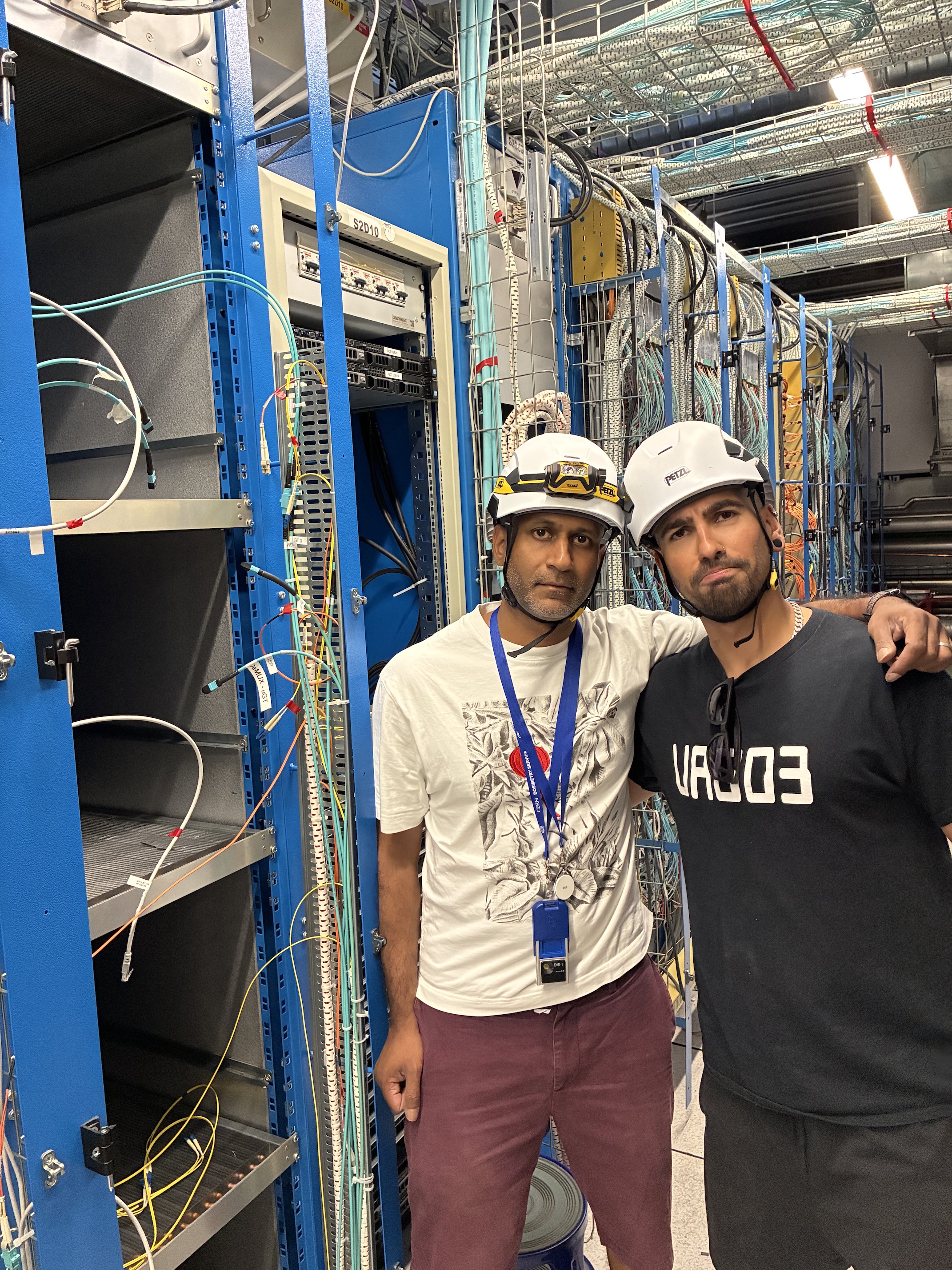
Removing the hardware of this part of the system only took a few hours’ work. We unplugged the optical fibres, took the uTCA cards out of their crates and removed the crates from the racks. Much of this equipment will be kept - mostly for displays in the university physics departments that built the system. Today we thank the Calorimeter Layer 2 for its years of hard work, and look forward to installing and commissioning the trigger upgrade over the next few years.
Disclaimer: The views expressed in CMS blogs are personal views of the author and do not necessarily represent official views of the CMS collaboration.
You can also read this blog here.